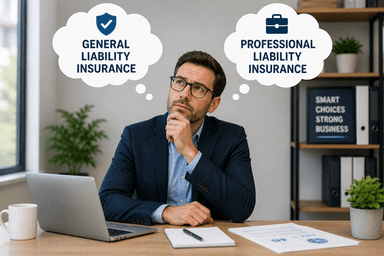
Your Complete Guide to Business Insurance
Running a business involves a lot of moving parts and, unfortunately, a lot of potential risks. From unexpected accidents to professional errors, a single event could have a major financial impact. This is where business insurance comes in, acting as a financial safety net for your company. Understanding this type of protection can feel complicated, but it doesn’t have to be. This guide breaks down everything you need to know in simple terms, helping you protect the business you’ve worked so hard to build.
Think of this as your roadmap to navigating the world of commercial insurance. We’ll explore what it is, what it typically covers, and how pricing works. By the end, you’ll have a clear understanding of how to evaluate your options and make a confident, informed decision for your company’s future.
What Exactly is Business Insurance?
Business insurance, also known as commercial insurance, is a category of policies designed to protect businesses from financial losses. These losses can stem from a wide range of events, such as property damage, legal liability claims, or employee-related incidents. Instead of paying for these costly, and often unexpected, damages out of pocket, a business pays a regular fee, called a premium, to an insurance provider. In exchange, the insurance provider agrees to cover the financial fallout from events included in the policy.
The core purpose is to manage risk. No matter your industry, risks are an everyday reality. A customer could slip and fall in your store, a cyberattack could compromise your data, or a fire could destroy your inventory. Business insurance helps ensure that your company can survive these challenges, handle legal responsibilities, and continue operating without facing financial ruin. It’s a foundational tool for stability and long-term success.
How Does Business Insurance Work?
The process of using business insurance begins long before you need to make a claim. First, you select and purchase a policy that matches your company’s specific risks. You pay a premium—monthly, quarterly, or annually—to keep your coverage active. When a covered incident occurs, you file a claim with your insurance provider. The claim is a formal request for payment based on the terms of your policy. You will need to provide details and documentation about the incident, such as photos, police reports, or medical bills.
Once the claim is filed, the provider investigates the incident to verify that it is covered under your policy. If the claim is approved, the insurance company will pay for the damages, legal fees, or other covered losses. This payment is often made up to your policy’s limit, which is the maximum amount the insurer will pay for a single claim or over the policy period. You may also have a deductible, which is the amount you must pay out of pocket before the insurance coverage kicks in.
Common Types of Business Insurance Coverage
Business insurance isn’t a single product but a collection of different coverages you can bundle or buy separately. The “right” mix depends entirely on your industry, operations, and specific vulnerabilities. Understanding the most common types is the first step toward building a policy that truly protects your company. These coverages address the most frequent and significant risks that businesses face, from lawsuits to property loss.
General Liability Insurance
This is a fundamental coverage for most businesses. It protects against financial loss from claims of bodily injury, property damage, and personal injury (like libel or slander) that occur as a result of your business operations.
Commercial Property Insurance
This covers the physical assets of your business, such as your building, equipment, inventory, and furniture, against loss from events like fire, theft, or natural disasters.
Professional Liability Insurance
This is also called Errors & Omissions (E&O) Insurance. Professional Liability Insurance is crucial for service-based businesses. It helps cover mistakes, claims of negligence or inadequate work that leads to financial harm to a client.
Workers’ Compensation Insurance
Required in most states for businesses with employees, this policy provides benefits to employees who get injured or become ill on the job. It covers medical costs and lost wages.
Cyber Liability Insurance
An increasingly vital coverage, this helps your business respond to data breaches or cyberattacks. It can cover costs like data recovery, customer notification, credit monitoring, and legal fees.
Business Owner’s Policy (BOP)
A BOP is a common package that bundles general liability, commercial property, and business interruption insurance into a single, often more affordable, policy. It’s a popular choice for many small to medium-sized businesses.
Understanding the Cost of Business Insurance
One of the most common questions from business owners is, “How much will this cost?” There is no single answer, as premiums are calculated based on your company’s unique risk profile. Insurance providers use a variety of factors to determine how likely you are to file a claim and how much that claim might cost. A high-risk construction company, for example, will have a very different premium than a home-based marketing consultant. The key is to understand what influences your rate so you can better anticipate your expenses.
Several key elements directly impact your premium:
- Industry: Your line of work is a primary factor. Industries with higher rates of accidents or lawsuits (like construction or restaurants) typically face higher premiums than low-risk office-based professions.
- Business Size & Revenue: The more employees you have and the higher your annual revenue, the greater your exposure to risk. This generally translates to a higher insurance cost.
- Location: Where you operate matters. A business in an area prone to natural disasters like hurricanes or in a highly litigious state may have higher property and liability premiums.
- Claims History: A history of frequent claims can signal higher risk to insurers, leading them to charge more for coverage. A clean record often results in more favorable rates.
- Coverage Type & Limits: The specific types of insurance you select and the amount of coverage you need will directly affect the price. Higher policy limits mean more protection, but also a higher premium.
Is Business Insurance Worth It For You?
Deciding whether business insurance is a necessary expense often comes down to a simple risk-versus-reward calculation. For most business owners, the potential cost of a single lawsuit, accident, or disaster far outweighs the annual cost of insurance premiums. Without coverage, you would be personally responsible for covering legal fees, medical bills, and property replacement costs. These expenses can easily bankrupt a small or even a medium-sized enterprise. Insurance transfers that risk to a provider, giving you peace of mind and financial security.
Beyond just financial protection, having insurance can also be a requirement for doing business. Many contracts, especially with larger clients, require you to carry a certain amount of liability insurance. Similarly, most commercial landlords will not lease you a space without proof of property and liability coverage. In this sense, insurance is not just a defensive tool but an enabler of business growth and opportunities.
Who Absolutely Should Consider Business Insurance?
While almost every business can benefit from some form of insurance, for some, it’s non-negotiable. If your business falls into one of several categories, securing coverage should be a top priority. These are businesses with inherent risks that make operating without a safety net exceptionally dangerous. Failing to get coverage isn’t just a gamble; it’s a direct threat to your company’s survival and your personal assets. Think about your daily operations and interactions to see if you fit one of these descriptions.
- Businesses with a Physical Location: If customers visit your store, office, or workshop, you are exposed to slip-and-fall claims and other third-party injuries.
- Businesses with Employees: If you have one or more employees, workers’ compensation insurance is legally required in nearly every state.
- Service-Based Professionals and Consultants: If you provide advice or professional services, you are at risk for lawsuits claiming negligence or errors that caused a client financial harm.
- Companies That Own or Lease Valuable Equipment: Any business that relies on expensive machinery, tools, or technology should protect those assets from damage or theft.
- Businesses That Handle Sensitive Data: If you store customer information, payment details, or any other confidential data, you are a target for cyberattacks and data breaches.
Who Might Not Need Comprehensive Coverage?
Although most businesses need insurance, not everyone requires a complex, multi-layered policy. Some very small, low-risk operations might find that their exposure is minimal. For instance, a solo freelancer working from home with no physical products, no employees, and no client-facing interactions might have very limited liability. However, even in these cases, some level of protection, like professional liability insurance, is often a wise investment. The decision should be based on a careful evaluation of potential risks, not just the current state of your business.
It’s important to remember that “needing less” doesn’t mean “needing none.” A freelance writer could still face a libel lawsuit, or a home-based crafter could have their inventory destroyed in a fire. The key is to scale the coverage to the risk. Instead of buying a broad business owner’s policy, these micro-businesses might opt for a single, targeted policy that addresses their most significant and realistic threat, ensuring they are protected without overpaying for unnecessary coverage.
How to Choose the Right Business Insurance Policy?
Selecting the right insurance isn’t about finding the cheapest option; it’s about finding the best value. The right policy provides adequate protection for your specific risks at a competitive price. The process requires a methodical approach. You need to assess your needs, understand the market, and carefully review your options before making a commitment. This ensures you get coverage that works for you when you need it most, without any unwelcome surprises during a claim. Follow these steps to navigate the selection process with confidence.
Assess Your Risks Thoroughly
Start by making a detailed list of potential risks. Think about your daily operations. Do customers visit you? Do you handle sensitive data? Do you have employees? What equipment is vital to your business? This assessment will be your guide to the types of coverage you need.
Understand Your Legal Obligations
Research your state and local requirements. Does your state mandate workers’ compensation? Does your professional licensing board require liability insurance? Do your client contracts specify minimum coverage levels? Fulfilling these obligations is your first priority.
Compare Multiple Quotes
Don’t accept the first offer you receive. Get quotes from several different insurance providers. Compare not only the price but also the coverage specifics, policy limits, and deductibles. An online comparison tool can make this process fast and efficient.
Review Policy Details Carefully
Read the fine print. Pay close attention to what is included and, more importantly, what is excluded. Make sure the policy limits are high enough to cover a worst-case scenario for your business.
Re-evaluate Your Coverage Annually
Your business isn’t static, and neither are its risks. As your company grows—you hire more staff, increase revenue, or offer new services—your insurance needs will change. Review and update your policy every year to ensure your protection keeps pace with your success.
Frequently Asked Questions
Business insurance is a type of coverage designed to protect companies from financial losses caused by accidents, lawsuits, property damage, employee-related risks, and other unexpected events. It helps businesses recover more quickly from costly situations that could otherwise disrupt operations or create serious financial strain. Different policies cover different risks, such as liability claims, cyber threats, property damage, or workers’ compensation. Having the right business insurance can provide financial stability and help companies operate with greater confidence.
There are several common types of business insurance, including general liability insurance, professional liability insurance, commercial property insurance, workers’ compensation, cyber insurance, and business interruption insurance. General liability coverage protects against third-party injuries and property damage claims, while professional liability insurance covers errors or negligence related to professional services. Businesses with physical locations often choose property insurance to protect equipment and buildings. The right combination of coverage depends on factors such as industry, company size, and operational risks.
Choosing the right business insurance policy starts with understanding the specific risks associated with the business. Companies should evaluate factors such as industry requirements, number of employees, business assets, customer interactions, and potential legal liabilities. Comparing multiple insurance providers can help businesses find policies with the right balance of coverage, pricing, and customer support. Reading policy terms carefully is also important to understand coverage limits, exclusions, deductibles, and claim procedures before making a decision.
The cost of business insurance varies depending on the type of business, industry risk level, location, company size, and coverage limits selected. Businesses in high-risk industries such as construction or transportation generally pay more for insurance than lower-risk businesses. Other factors such as annual revenue, number of employees, and claims history can also affect premium costs. Comparing quotes from different insurers can help businesses find affordable coverage that still provides adequate protection.
Business insurance policies often include exclusions that limit coverage for certain situations or types of losses. Common exclusions may include intentional damage, fraudulent activities, normal wear and tear, contractual disputes, or losses caused by failing to follow safety regulations. Some policies may also exclude specific risks unless businesses purchase additional coverage or endorsements. Reviewing policy exclusions carefully can help businesses avoid unexpected coverage gaps and ensure they are properly protected.
Comparing business insurance providers helps companies evaluate differences in coverage options, pricing, customer service, and claims handling processes. Two policies with similar premiums may offer very different coverage limits, exclusions, or support services. Reading reviews and comparing policy details can help businesses identify insurers with strong reputations for reliability and fast claims processing. Taking time to compare providers can lead to better long-term value and more effective financial protection for the business.